
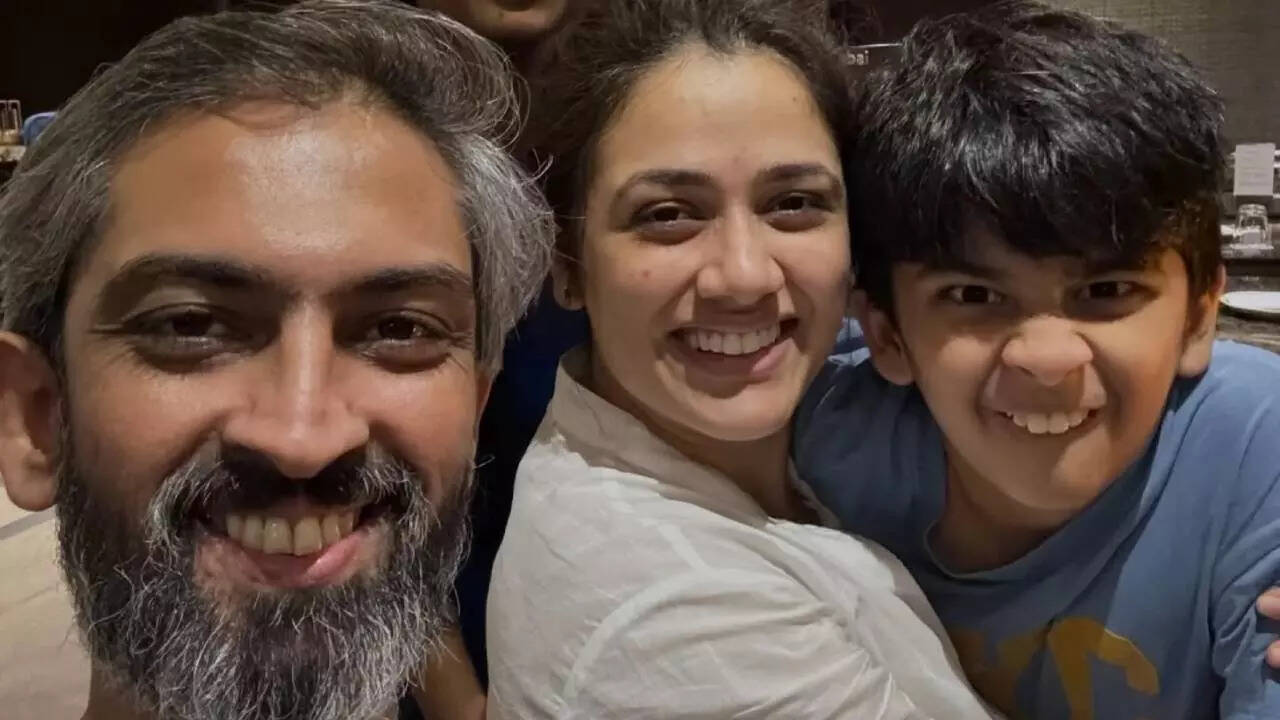
Hook: When a celebrated actress admits that the sparkle you see on screen hides years of quiet panic, it changes how you watch her work—and how you understand resilience. Girija Oak's candid confession that she suffered panic attacks after her parents' separation—and that she "carried the baggage of a broken marriage into relationships" before meeting her husband Suhrud—offers a rare, human glimpse behind the public image of an actor balancing family pain and professional success, according to her interview in The Times of India[1]. This post explores what her story teaches us about emotional inheritance, healing in relationships, and the courage to seek help. What Girija shared - Girija Oak revealed that her parents' separation triggered panic attacks in her life, a response she linked directly to the emotional fallout of her family's split[1]. - She said that before meeting her husband Suhrud, she unintentionally brought the patterns and fears born from her parents' broken marriage into her own relationships[1]. - Meeting Suhrud felt restorative to her—"like a balm"—which highlights how safe, supportive partnerships can help heal deep-seated emotional wounds[1]. Why this matters: emotional inheritance and panic - Emotional inheritance means children sometimes internalize parents' relationship dynamics—fears, mistrust, or anxiety—which then shape their romantic expectations and coping styles later in life[1]. - Panic attacks are a real, treatable response to overwhelming stress and unresolved trauma; Girija's openness helps destigmatize mental-health struggles among public figures and the broader community[1]. Lessons from Girija's experience - Naming the problem is powerful: Acknowledging panic attacks and the source of emotional pain is the first step toward recovery, as Girija did publicly[1]. - Healing can come through relationships but is healthiest when paired with self-work: a loving partner can be a strong support, yet personal growth, therapy, or other coping strategies are usually necessary to change long-standing patterns[1]. - Visibility helps others: When a known personality speaks about mental health candidly, it normalizes seeking help and encourages fans to pay attention to their own emotional signals[1]. What you can do if this resonates with you - If you experience anxiety or panic attacks, consider reaching out to a mental-health professional—therapy and evidence-based treatments (like CBT and, when appropriate, medication) are effective. - Talk with trusted friends or family about your experiences; social support reduces isolation and can guide you toward resources. - If family separation affected you, reflect (alone or with a therapist) on patterns you may have carried forward so you can intentionally choose different responses in current relationships. Embedded image (free, relevant)
 Call to action Has a public figure's mental-health disclosure changed the way you think about vulnerability or seeking help? Share your thoughts or personal experience in the comments below—and if Girija's story moved you, share this post to help normalize conversations about panic, healing, and supportive relationships. Note: This post is based on Girija Oak's interview as reported by The Times of India[1].
Citations
1.https://en.wikipedia.org/wiki/Girija_Oak
2.https://www.ndtv.com/entertainment/meet-girija-oak-the-viral-blue-saree-woman-who-is-internets-new-crush-9620487
3.https://www.imdb.com/name/nm2887354/bio/
4.https://www.imdb.com/name/nm2887354/
5.https://www.hindustantimes.com/htcity/cinema/who-is-girija-oak-the-marathi-actor-being-compared-to-hollywood-heartthrob-sydney-sweeney-new-movie-christy-101763031437620.html
6.https://starsunfolded.com/girija-oak/
7.
8.
9.
---
This email was sent automatically with n8n