
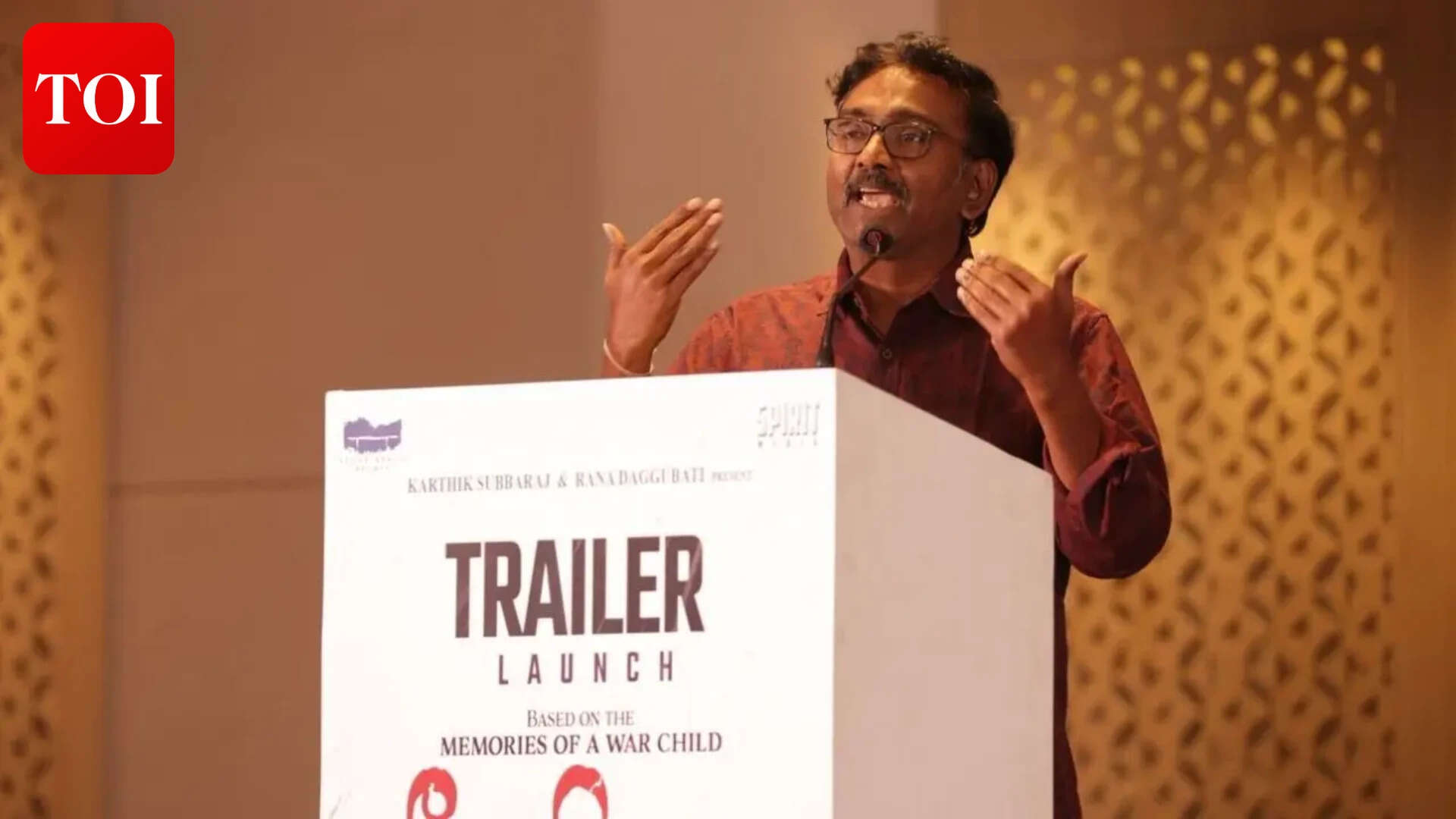
# Director Vasanthabalan Slams *The Kashmir Files* and *Dhurandhar*: Is Hate Being Weaponized Through Cinema? **Imagine walking out of a movie theater not inspired by hope, but fueled by rage against entire communities.** That's the explosive accusation from acclaimed Tamil director Vasanthabalan, who recently took aim at films like *The Kashmir Files* and *Dhurandhar*, claiming they are part of a **deliberate strategy to spread hate** via cinema.[1] Vasanthabalan's bold stance highlights a growing debate in Indian cinema: are these films truthful portrayals of history, or tools for division? Drawing from *The Times of India* report, he argues that such movies peddle **one-sided narratives** that exaggerate events, ignore context, and stoke communal tensions—echoing criticisms from global observers. For instance, *The Kashmir Files*, which depicts the 1990s exodus of Kashmiri Pandits amid Islamist violence, has been praised by some as a "call to action" based on extensive research, including 700 victim interviews.[2] Yet detractors, including Hindu voices like Kashmiri Pandits themselves, call it **nationalistic propaganda** that vilifies Muslims, downplays their suffering, and aligns with Hindu nationalist agendas.[1][3] This isn't isolated. Post-screening videos show audiences chanting anti-Muslim slogans and calling for boycotts, amplifying fears of **escalating religious polarization** in India.[3][4] Critics from outlets like TIME describe *The Kashmir Files* as prioritizing **hatred over accuracy**, portraying Muslims as inherently evil while reviving tropes like "love jihad."[4] Even Singapore banned it for its "provocative and one-sided portrayal."[3] Meanwhile, supporters defend it as shedding light on forgotten atrocities—over 100,000 Pandits displaced, hundreds killed—long obscured by media bias.[2] Vasanthabalan's critique extends to *Dhurandhar*, suggesting a **planned pattern** where cinema becomes a battleground for ideology. In a nation where films influence millions, this raises urgent questions: Does art heal or harm? Should governments endorse polarizing content with tax breaks and leader endorsements?[3]

Image: Tense reactions in a cinema hall (Unsplash free stock photo)
Citations
1.https://www.hindusforhumanrights.org/en/blog/the-misplaced-kashmir-files-kashmiri-pandits-speak
2.https://stanfordreview.org/the-kashmir-files-is-a-call-to-action/
3.https://www.lowyinstitute.org/the-interpreter/tale-two-countries-interpreting-kashmir-files
4.https://time.com/6162035/kashmir-files-india-hindu-muslim/
5.
6.
7.
8.
9.
---
This email was sent automatically with n8n