
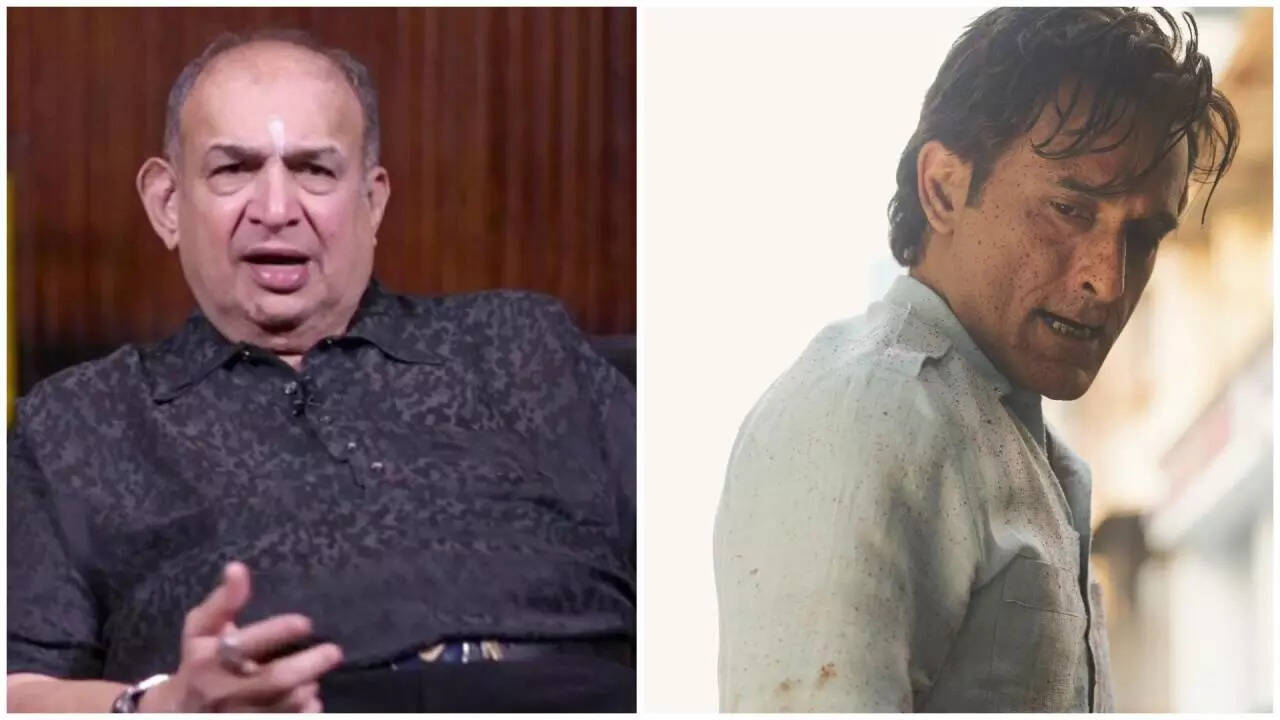
 **How one blockbuster song, one fee hike, and one lost franchise role sparked a debate across Bollywood** What happens when an acclaimed actor finally gets the superstardom he always deserved—then risks losing a massive franchise film right after? Akshaye Khanna's post-*Dhurandhar* journey has become a textbook case of how fragile the balance is between **art, ego, money, and long-term vision** in Bollywood. According to film exhibitor **Manoj Desai**, the thunderous success of *Dhurandhar*—fueled by aggressive publicity, hit YouTube songs, and strong word-of-mouth—turned Akshaye Khanna into one of the film's biggest selling points.[2] Desai points out how the film did "wonders" in key cinemas like **Maharana Mandir** and **G7 multiplex**, crediting **heavy promotion** and music-driven buzz for drawing audiences in.[2] In particular, Akshaye's song became hugely popular online, helping convert digital hype into theatre footfalls.[2] In many ways, *Dhurandhar* proved a powerful truth about modern Bollywood: **if you master marketing and deliver a high-impact character—even in a limited screen time—you can own the conversation.** Desai notes that even families have accepted the film wholeheartedly and that such a project can make you "number one" and "the king" if you ride its success wisely.[2] But that is precisely where the storm begins. ### When success meets strategy: the Drishyam 3 twist Riding on the back of *Dhurandhar*'s success, reports say Akshaye Khanna **hiked his fee significantly** for his next big outing.[1][3] For context, he reportedly earned around **₹2.5 crore** for *Drishyam 2*, where his portrayal of IG Tarun Ahlawat was widely praised and became a major highlight of the film.[3][1] With *Dhurandhar* crossing huge box office milestones and his popularity surging, Akshaye is said to have raised his remuneration sharply for **Drishyam 3**.[1][3] This, according to multiple trade reports, triggered major friction: - The producers were reportedly **unwilling to stretch the budget** to meet his revised asking price, fearing it would push the film beyond a sustainable cost bracket.[1][3] - There were also murmurs of **creative differences**, including disagreements over the look of his character in the new installment.[1][3] The result? Akshaye Khanna reportedly **exited Drishyam 3**, a franchise that had just helped re-cement his position as a powerful character actor in mainstream thrillers.[1][3] ### Manoj Desai's blunt take: "He should maintain a little calm" Manoj Desai did not mince words when reflecting on Akshaye's post-*Dhurandhar* choices.[2] A seasoned exhibitor who tracks box office trends closely, he acknowledged Akshaye's newfound momentum—but questioned the timing and scale of the fee hike. In Desai's words, after *Dhurandhar*, **Akshaye increased his fees and lost Drishyam 3**, a move he personally believes the actor "shouldn't have done."[2] His core argument is simple: > When success hits—whether from a full-fledged role or even a "three- or four-minute song"—a star should **"maintain a little calm"** before making big financial jumps.[2] Desai is careful to add that Akshaye is "his own master" and free to make his own decisions,[2] but his comment reflects a larger, recurring debate in the industry: - **How fast is too fast when it comes to fee hikes?** - Is short-term monetary gain worth more than the long-term **equity of being part of a beloved franchise**? - And at what point does confidence slide into overreach? ### The bigger lesson: fame is fuel—but only if you drive it wisely The *Dhurandhar*–*Drishyam 3* episode is more than just one actor's negotiation story; it is a mirror to the ecosystem Bollywood now operates in: - **Marketing muscle matters:** Strong advertising, viral songs, and online buzz can turn a film—and a supporting character—into a phenomenon.[2] - **Franchises are long-term assets:** Being part of a hit series like *Drishyam* can shape an actor's career narrative for years, even decades.[1][3] - **Timing is everything:** A fee hike after a breakout success is logical, but the scale and context determine whether it becomes a masterstroke or a misstep. Desai's advice, framed through the lens of old-school trade wisdom, boils down to this: **Use success to choose better, not just charge higher.**[2] For actors, producers, and even fans, the story raises tough but necessary questions about value, leverage, and legacy in an increasingly high-stakes Bollywood. --- What do you think—did Akshaye Khanna make a bold, justified move by raising his fees, or did he risk too much by stepping away from *Drishyam 3*? **Share your thoughts in the comments, and if this breakdown gave you a new perspective on the story, pass it along by sharing this post with fellow movie buffs.**
Citations
1.https://www.sacnilk.com/news/MAJOR_UPDATE_Akshaye_Khanna_Exits_Drishyam_3_Success_of_Dhurandhar_Triggers_Massive_Fee_Hike_and_Creative_StandOff
2.https://timesofindia.indiatimes.com/entertainment/hindi/bollywood/news/after-dhurandhar-success-akshaye-khanna-increased-his-fees-and-lost-drishyam-3-he-should-maintain-a-little-calm-says-film-exhibitor-manoj-desai/articleshow/126423435.cms
3.https://www.siasat.com/fee-hike-trouble-akshaye-khanna-drops-out-of-major-film-report-3315485/
4.https://vocal.media/geeks/fee-hike-trouble-akshaye-khanna-drops-out-of-major-film-report
5.
6.
7.
8.
9.
---
This email was sent automatically with n8n