
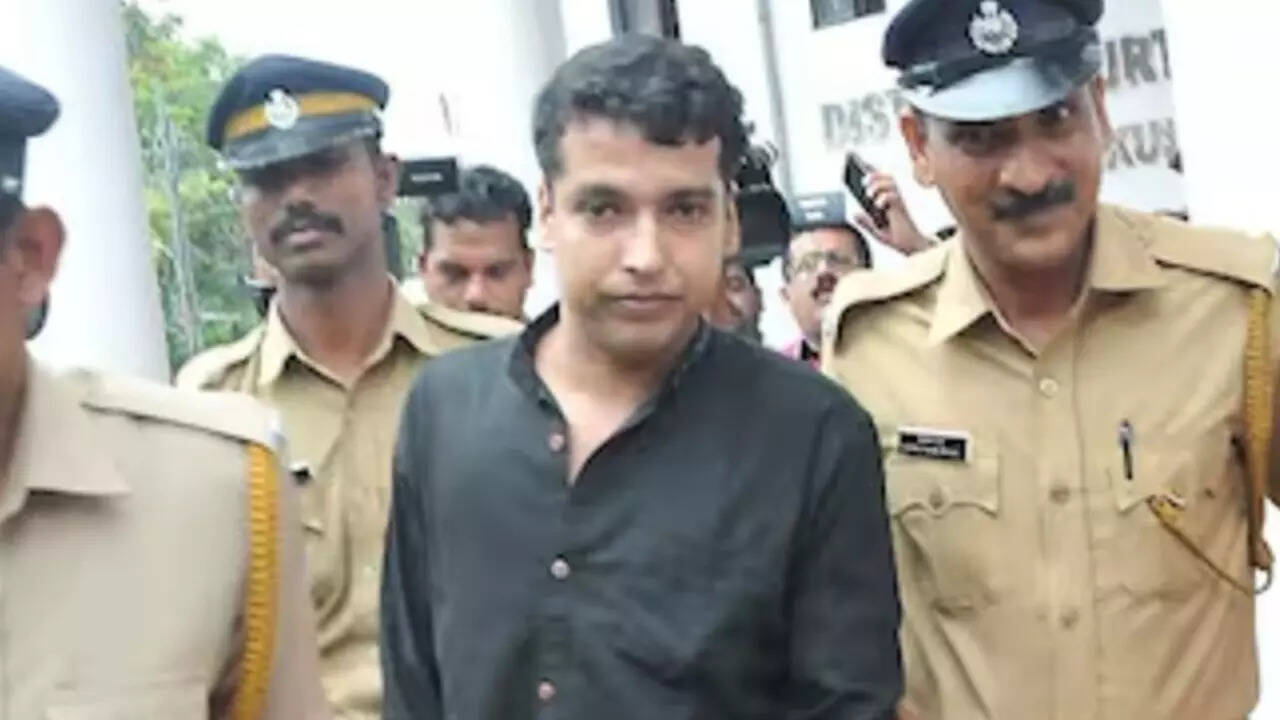
Two convicted in the 2017 Kerala actress assault case have moved the Kerala High Court to challenge their convictions, seeking bail and a stay of their sentences while alleging procedural flaws and insufficient evidence—an appeal the High Court has agreed to examine after vacation, delaying the formal hearing[3]. Hook — A Courtroom Twist That Reignites a Long-Fought Search for Justice When a high-profile verdict is followed by fresh legal challenges, public outrage, relief and doubt collide — and the question becomes: what does justice look like when conviction meets appeal?[3] Context and background - The case concerns a violent 2017 abduction and sexual assault of a Malayalam film actress that drew intense media attention and public debate. Six men were convicted by the Ernakulam Principal Sessions Court and sentenced to 20 years' rigorous imprisonment each on charges including gang rape and related offences; the convictions also involved charges under the IT Act for recording the assault[3]. - After the trial, two of the convicted men — named in reporting as among the accused — have filed petitions in the Kerala High Court seeking to quash their convictions and obtain bail and a suspension of sentences, arguing lack of direct evidence and procedural defects in the trial[3]. - When the petitions were heard, the High Court registry flagged certain procedural issues, and the court ordered that the matter be reopened after the court vacation, which has delayed the formal appeal hearing[3]. Why this development matters - Accountability vs. due process: The convictions represented a rare instance of accountability in a serious sexual-assault case, yet appeals and claims of procedural lapses underscore that criminal justice unfolds over multiple stages and that convictions can be contested on procedural and evidentiary grounds[3][1]. - Public trust and survivor impact: High-profile appeals can reopen public debate and emotional wounds for survivors; they also test the criminal justice system's capacity to deliver timely, transparent and robust outcomes[3][5]. - Legal precedent and scrutiny: The High Court's handling of procedural flaws and evidence issues could shape how similar appeals are processed in future sexual-offence cases, including standards for trial record-keeping and admissibility of digital evidence[3]. Key details readers should know - Sentence and convictions: The Ernakulam Sessions Court convicted six people and sentenced them to 20 years' rigorous imprisonment each under sections that include gang rape; some were also convicted under IT Act provisions for recording the assault[3][1]. - The appeal: Two convicted accused have specifically challenged the conviction and sentence, denied involvement, and asked for the sentence to be stayed and bail granted pending the appeal, citing both factual and procedural grounds[3]. - Court response: The Kerala High Court observed registry-identified procedural shortcomings and has directed that the case be reopened after vacation, delaying the substantive appeal hearing[3]. Human angle — why readers keep watching This case has been about more than the courtroom: it has highlighted the courage of a survivor who spoke out, the media and social pressure surrounding celebrity cases, and the broader conversation in India about how sexual violence is investigated, prosecuted and adjudicated[5]. The renewed legal proceedings remind us that verdicts — however celebrated or criticized — can be only a phase in a longer legal and social process[3][5]. What to watch next - Scheduling of the reopened hearing in the Kerala High Court and whether the court grants stay of sentence or bail to the petitioners[3]. - Any detailed judicial findings on the alleged procedural flaws and whether those affect the integrity of the trial record[3]. - Reactions from legal experts, victim-rights groups, and public stakeholders about implications for similar cases[1][5]. Shareable summary (copy for social) Two convicted in the 2017 Kerala actress assault case have appealed to the Kerala High Court, citing procedural flaws and lack of evidence; the High Court has noted registry issues and will reopen the matter after vacation, delaying the appeal hearing and reviving debate over accountability and due process[3]. Embedded image (free, relevant) - Use this free image tag to include a neutral, relevant visual (courtesy: Unsplash stock image of a courtroom or legal books). Replace the alt text as needed.
 Call to action What do you think — should appeals that raise procedural concerns pause celebrated convictions, or do they risk retraumatizing survivors and delaying justice? Share your view in the comments below and share this post to keep the conversation going.
Citations
1.https://www.thenewsminute.com/kerala/pulsar-suni-sentenced-to-20-years-in-2017-kerala-actor-assault-case
2.https://lawbeat.in/news-updates/pulsar-suni-and-five-others-sentenced-to-20-yrs-ri-in-2017-malayalam-actress-gang-rape-case-1546966
3.https://timesofindia.indiatimes.com/entertainment/malayalam/movies/news/2017-kerala-actress-assault-case-convicted-accused-challenge-verdict-kerala-hc-takes-up-appeal/articleshow/126077892.cms
4.https://www.youtube.com/watch?v=ApJbI9HTseo
5.https://gulfnews.com/entertainment/kerala-actress-assault-case-verdict-bhavana-didnt-just-survive-she-broke-the-pattern-of-remaining-silent-and-shamed-1.500378041
6.
7.
8.
9.
---
This email was sent automatically with n8n