
```html
"I Was Doing Something Wrong": When Pankaj Tripathi's Honest Confession Exposes Our Deep-Rooted Gender Bias

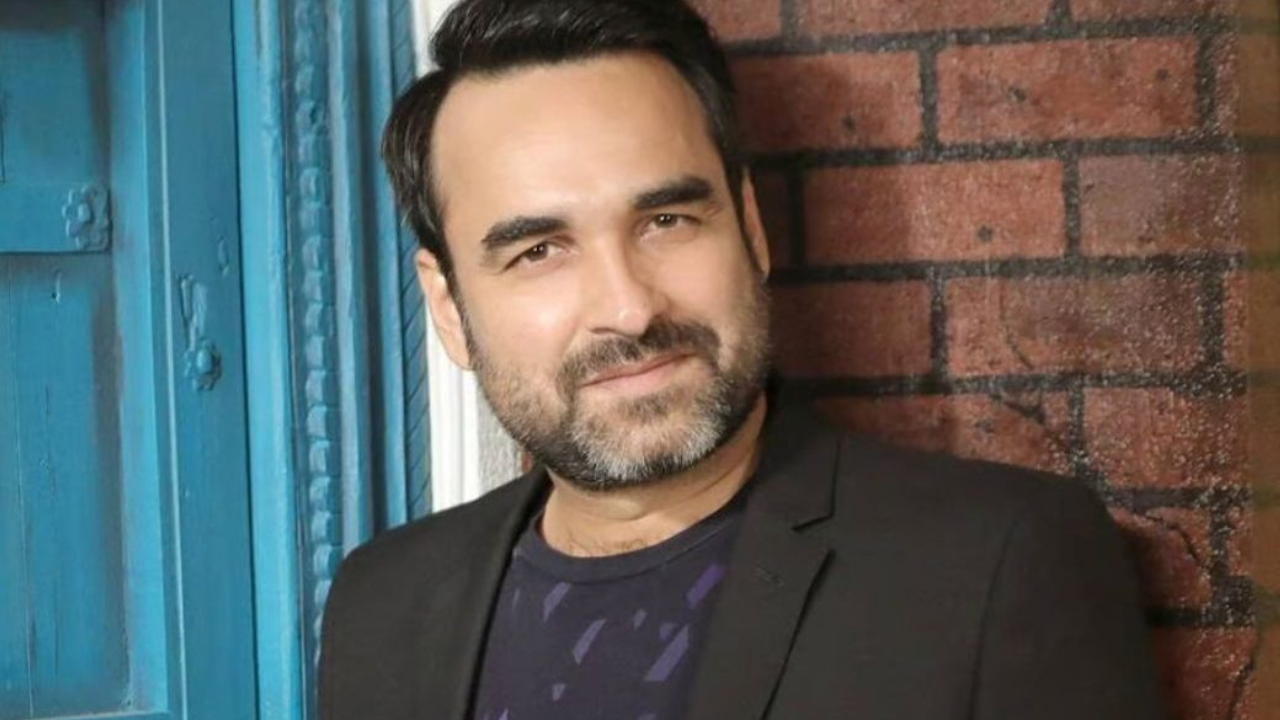
Imagine this: a young woman lights a cigarette, and the room fills with judgmental stares. A man does the same, and it's seen as a sign of rebellion or coolness. This isn't just a scene from a movie—it's a reality that actor Pankaj Tripathi recently opened up about, recalling how he once judged a female NSD batchmate for smoking, while never questioning a man for the same act. "I was doing something wrong," he admitted, and his words hit hard because they reflect a truth we often ignore: gender bias is so deeply embedded in our minds that even the most progressive among us can fall prey to it.
Why Do We Judge Women Differently?
Tripathi's confession isn't just about smoking—it's about the double standards that women face every day. From the way they dress to the choices they make, society often polices women's behavior in ways it never does for men. This bias isn't limited to personal interactions; it's reflected in our media, advertising, and even the stories we tell on screen.
Studies show that Bollywood, for decades, has reinforced gender stereotypes—portraying women as either virtuous homemakers or glamorous objects, while men are shown as strong, independent, and free to make their own choices. Even today, women are more likely to be judged for their appearance, their careers, or their personal habits, while men are celebrated for the same actions.
Advertising and Media: Mirrors of Society
Advertising, too, has played a role in perpetuating these stereotypes. Research reveals that women in Indian ads are often shown in domestic roles, while men are depicted as leaders or decision-makers. Even when women are shown in empowered roles, the narratives are often shaped by a male lens, creating unrealistic expectations rather than breaking stereotypes.
But there's hope. Brands and filmmakers are slowly beginning to challenge these norms. Campaigns now spotlight women who break barriers, and more stories are being told from a woman's perspective. Yet, as Tripathi's story reminds us, real change starts with self-awareness—recognizing our own biases and questioning why we react differently to the same behavior based on gender.
What Can We Do?
It's easy to point fingers at the media or society, but the real work begins with us. Every time we challenge a stereotype, question a double standard, or support stories that break the mold, we contribute to a more equitable world. Let's start by having honest conversations—like the one Tripathi sparked—and by being mindful of the messages we send, both online and offline.
Join the Conversation
Have you ever caught yourself judging someone differently because of their gender? What steps do you think we can take to break these biases in our daily lives? Share your thoughts in the comments below, and don't forget to share this post to keep the conversation going!
Let's challenge the norm, one conversation at a time.
```Citations
1.https://www.nature.com/articles/d44151-022-00020-w
2.https://www.campaignindia.in/article/gender-bias-in-ads-costs-more-than-just-reputationit-hits-revenue/501190
3.https://geenadavisinstitute.org/research/gender-bias-and-inclusion-in-advertising-in-india/
4.https://www.socialsamosa.com/experts-speak/evolution-women-portrayal-indian-ads-4326737
5.https://www.hbs.edu/faculty/Pages/item.aspx?num=59426
6.https://ijirt.org/publishedpaper/IJIRT186759_PAPER.pdf
7.https://digitalcommons.pittstate.edu/cgi/viewcontent.cgi?article=1599&context=etd
8.
9.
---
This email was sent automatically with n8n