
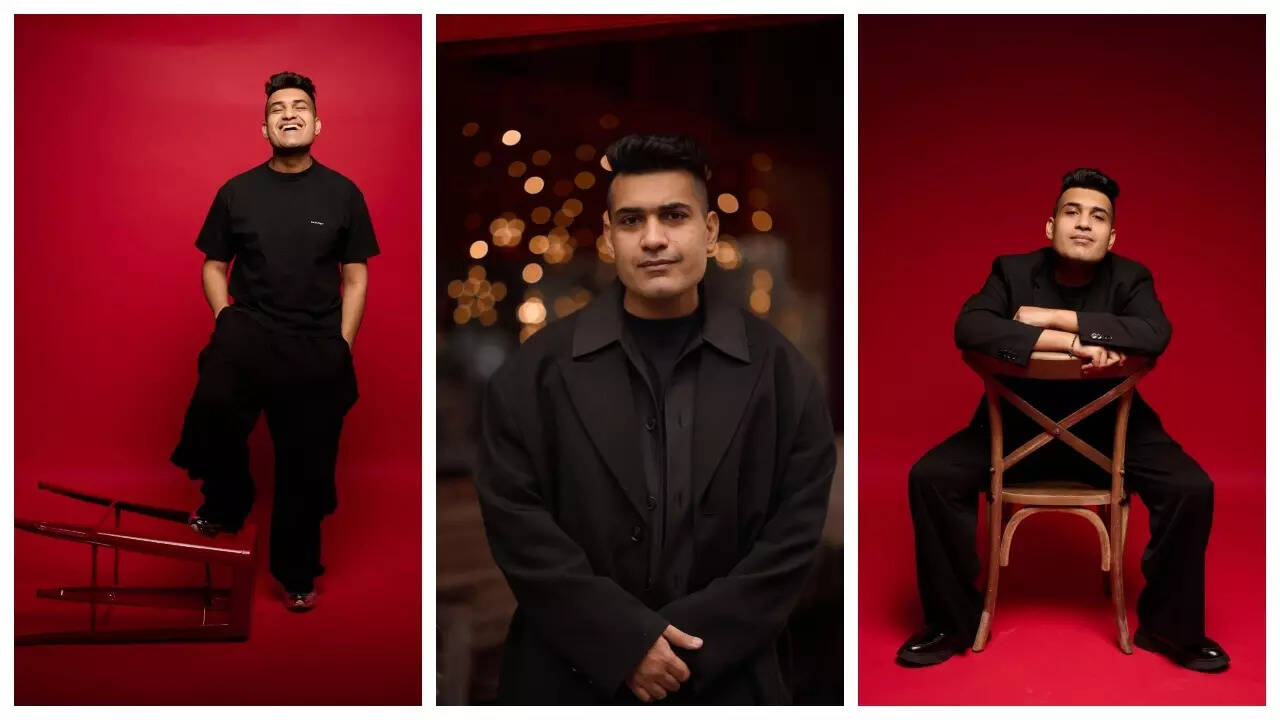
Hook: When a film's soundtrack feels like its own high-octane character, you know the composer has done more than score scenes—he's *built a world*. Shashwat Sachdev's soundtrack for Dhurandhar does exactly that, blending vintage Indian records, Punjabi folk, hip‑hop energy and contemporary electronic production to create anthems that push the film's adrenaline and emotion forward[1][4]. What makes the Dhurandhar soundtrack stand out - Sampling Saregama's archive with purpose: Sachdev mines Saregama's vast catalogue—from the 1960s through the '90s—and *integrates* those melodies into modern bilingual electro and hip‑hop arrangements rather than simply layering beats over old songs[1]. - A fearless bilingual approach: The soundtrack brings English‑language Indian rappers such as Hanumankind and Reble into the mix to power the record's more anthemic, urban numbers, giving the music a cross‑genre, contemporary punch[1][4]. - Respectful reinvention of classics: Instead of a superficial "remake" treatment, Sachdev's work samples and recontextualizes classic Bollywood and Punjabi folk motifs so they feel freshly relevant to the film's tone and pacing[1]. - Star‑powered vocal texture: The album features a mix of voices—established playback singers and modern rappers—creating contrasting textures that serve different moods across the soundtrack, from aggressive title tracks to more melodic numbers[4][5]. How the music serves the movie - Sound as storytelling: The soundtrack's anthemic tracks amplify Dhurandhar's action sequences and larger‑than‑life moments, while more intimate or melodic pieces underwrite emotional beats in the narrative[1][4]. - Matching visuals with sonic scale: The production choices—big percussion, synth layers, sampled nostalgia—mirror the film's slick production design and high stakes, making the music feel integral rather than decorative[1]. Notable tracks and elements to listen for - Title Track / "Dhurandhar": A collaborative, high‑energy centerpiece that mixes rap, Punjabi folk flavor and cinematic production—designed to be the film's musical rallying cry[4][5]. - "Shararat": A crowd favorite that juxtaposes catchy melodies with contemporary beats to broad popular appeal[7]. - Songs that sample legends: Certain tracks credit classic composers and singers (for example, R.D. Burman and Asha Bhosle) alongside Sachdev, highlighting the deliberate archival sampling approach[4]. Why it matters for Bollywood music - A model for creative reuse: Sachdev's method—sampling old recordings thoughtfully and integrating them into original compositions—offers a template for how Bollywood can honor musical heritage while creating contemporary hits[1]. - Bridging generations and scenes: By featuring both folk elements and modern rappers, the soundtrack appeals across age groups and musical subcultures, expanding the film's cultural reach[1][4]. Embed (free) image you can use in the blog post - Use this free image (embedded as an HTML img tag) to accompany the article; it evokes cinematic mood and urban energy suitable for a music‑focused post:
 Call to action - Loved the Dhurandhar soundtrack or have a favorite track? Drop your thoughts in the comments—tell us which song hooked you, which sample surprised you, or how you think this approach will shape Bollywood music next. If you enjoyed this breakdown, share the post so more people can join the conversation and stream the album.
Citations
1.https://music.apple.com/in/album/dhurandhar-original-motion-picture-soundtrack/1858961207
2.https://timesofindia.indiatimes.com/entertainment/hindi/bollywood/news/aditya-dhar-ki-jai-ho-anupam-kher-vibes-on-music-of-ranveer-singhs-dhurandhar-composed-by-shashwat-sachdev/articleshow/126032107.cms
3.https://open.spotify.com/album/0PAYCDhgdfFOQDZpPWSucv
4.https://www.youtube.com/watch?v=I6ps_05Wsf0
5.https://www.youtube.com/watch?v=WzoSWtDDo1M
6.https://open.spotify.com/album/2e7HNQJ0BcMoqwsVDwDhK8
7.https://music.youtube.com/channel/UClaAZKlH9mP_IB_hinsI4xw
8.
9.
---
This email was sent automatically with n8n