
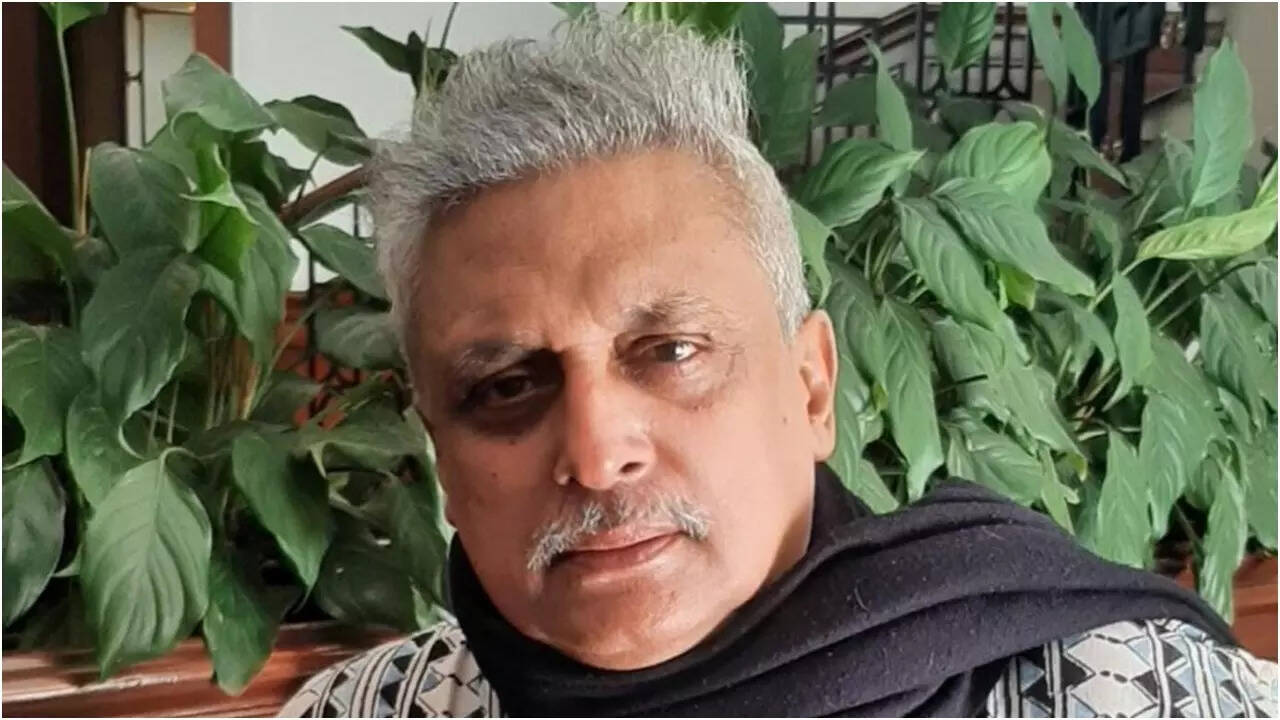
Hook: "Confession can wound — or it can set you free." In a candid conversation about one of the hardest decisions of his life, actor-writer Piyush Mishra says that telling his wife about his infidelity brought him inner peace and allowed their relationship to move forward rather than remain trapped in secrecy[1]. What he said and why it matters - Piyush Mishra told interviewers that his biggest regret involved alcoholism, and alongside that admission he revealed he had confessed to cheating to his wife—a moment he describes as a storm that calmed once he spoke the truth[1]. - He emphasized that confessing made him feel *liberated*; after admitting his mistake, he felt his "heart is clean" and able to move on, because honesty removed the burden of secrecy[1]. - Mishra also reported that his wife responded with understanding rather than condemnation, acknowledging mutual faults and helping the couple work toward living their lives forward[1]. Context and implications - Confession as emotional repair: Mishra's experience illustrates a psychological pattern seen in relationships where disclosure of wrongdoing—when followed by accountability and empathy—can reduce guilt and enable rebuilding of trust[1]. - Not a universal remedy: While Mishra found relief through honesty, relationship experts caution that outcomes differ: some disclosures can irreparably damage trust or cause trauma, and constructive repair typically requires sustained change, apologies, and often time or professional support. (This is an inference based on common relationship research; Mishra's interview documents the specific personal outcome he experienced[1].) - Public figures and private healing: When celebrities speak openly about personal failings, it can destigmatize seeking forgiveness and growth—but it can also spark intense public scrutiny. Mishra framed his confession as a moral necessity to "wash away" his sins, highlighting how personal ethics and mental relief intersect in such decisions[1]. Suggested takeaways for readers - If you're carrying a secret that's harming you or your relationship, consider that honesty paired with responsibility may relieve emotional burden—but plan carefully, seek support (counseling, trusted confidants), and prioritize safety and empathy for the other person. (This advice is a generalization informed by Mishra's account and common therapeutic guidance; it goes beyond the article's specifics[1].) - Forgiveness is contextual: Mishra's wife reportedly offered understanding, but forgiveness is a private choice and may not follow every confession[1]. Embedded image (free, relevant) - The following HTML embeds a free, relevant image from Unsplash that evokes reflection and reconciliation. Replace the alt text or image source if you prefer another photo.
 Call to action - What do you think: can honesty always heal a relationship, or are some betrayals beyond repair? Comment below with your perspective or share this post to start a conversation with friends.
Citations
1.https://www.moneycontrol.com/entertainment/bollywood/piyush-mishra-recalls-the-darkest-chapter-of-his-life-says-alcoholism-was-a-big-mistake-of-my-life-article-13734861.html/amp
2.https://www.bollywoodshaadis.com/articles/beyhadh-fame-piyush-actress-wife-blames-him-of-lying-about-their-divorce-to-date-other-women-7563
3.
4.
5.
6.
7.
8.
9.
---
This email was sent automatically with n8n